Child development · 5 June 2024
The Importance of Independent Play in Child Development
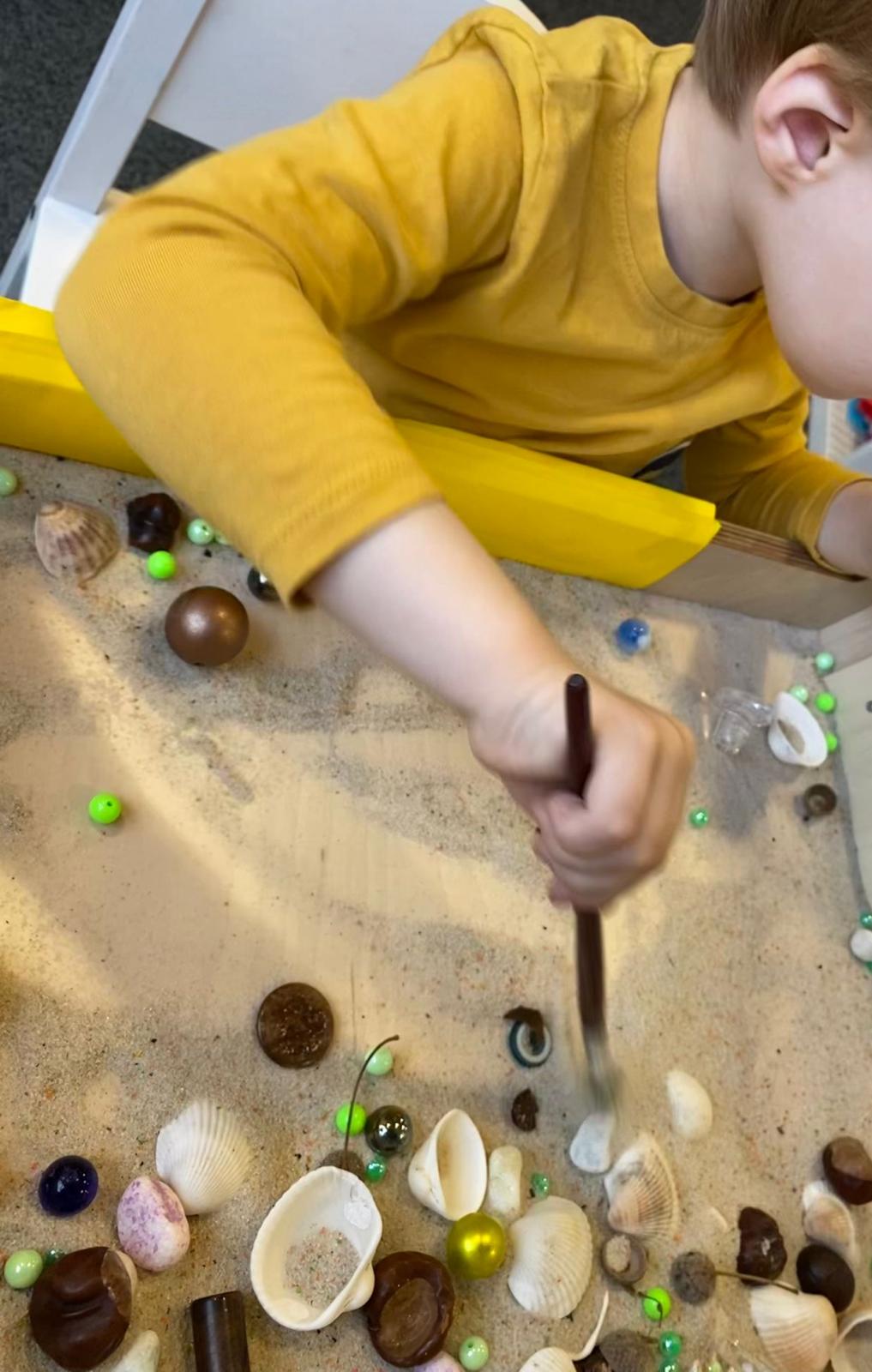
Additionally, without independent play skills, children may struggle to entertain themselves, leading to boredom and frustration for both the child and the parents. Moreover, relying solely on structured activities or screen time to keep children occupied can hinder their ability to develop essential skills for self-directed play.
How to Help Children Learn to Play Independently
Encouraging independent play doesn’t mean leaving children completely unsupervised. Instead, it involves providing them with the space, time, and resources to explore and engage in self-directed activities. Here are some strategies to help children learn to play independently:
Create a Safe and Stimulating Environment: Set up a designated play area with age-appropriate toys, books, and materials that encourage open-ended play and exploration. Set Realistic Expectations: Start with short periods of independent play and gradually increase the duration as the child becomes more comfortable. Be patient and supportive as they learn to entertain themselves.
Model Independent Play: Show your child how to engage in independent play by demonstrating how to use toys and materials creatively. Offer praise and positive reinforcement when they play independently.
Limit Screen Time: Reduce reliance on screens and electronic devices, as they can hinder imaginative play and creativity. Encourage activities that require active engagement and physical movement.
Encourage Outdoor Play: Outdoor play provides children with opportunities for exploration, physical activity, and imaginative play. Encourage outdoor adventures and unstructured play in nature whenever possible.
Provide Opportunities for Social Interaction: While independent play is important, it’s also essential for children to interact with peers and family members. Arrange playdates or participate in group activities that allow children to socialize and collaborate with others.
The Impact of Independent Play on Child Development and Family Life
Research has shown that independent play plays a crucial role in child development. According to Dr. Peter Gray, a leading expert on play and evolutionary psychology, independent play allows children to develop problem-solving skills, creativity, and emotional resilience. In his article “The Value of Play I: The Definition of Play Gives Insights,” Gray emphasizes the importance of unstructured, child-directed play in promoting cognitive, social, and emotional development.
Furthermore, independent play benefits parents by providing them with much-needed time for self-care, work, or household tasks. When children are engaged in independent play, parents can have moments of respite to recharge and focus on their own needs. Additionally, promoting independent play fosters a sense of independence and self-reliance in children, which can lead to smoother transitions to school and other social settings.
How to Engage as a Parent During Child’s Playtime: Balancing Involvement in Creative Activities
The role of parents during a child’s playtime is crucial, and there are many ways parents can engage and support children in creative activities. It’s essential to understand that children need both time to play independently and time when parents are present and actively involved in fostering creativity and development.