
Child development · 11 June 2025
Sand Play: Exploring Through Touch and Creativity
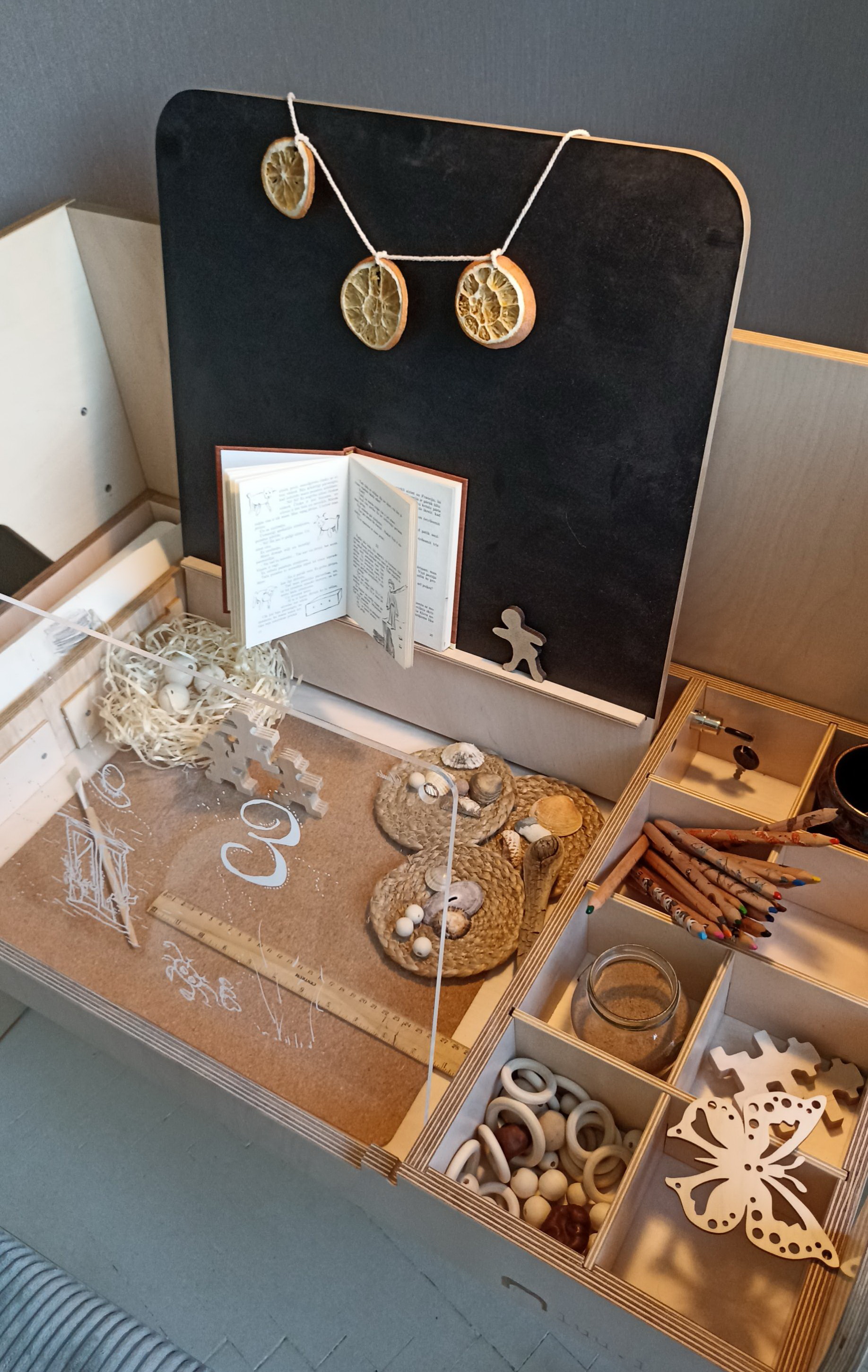
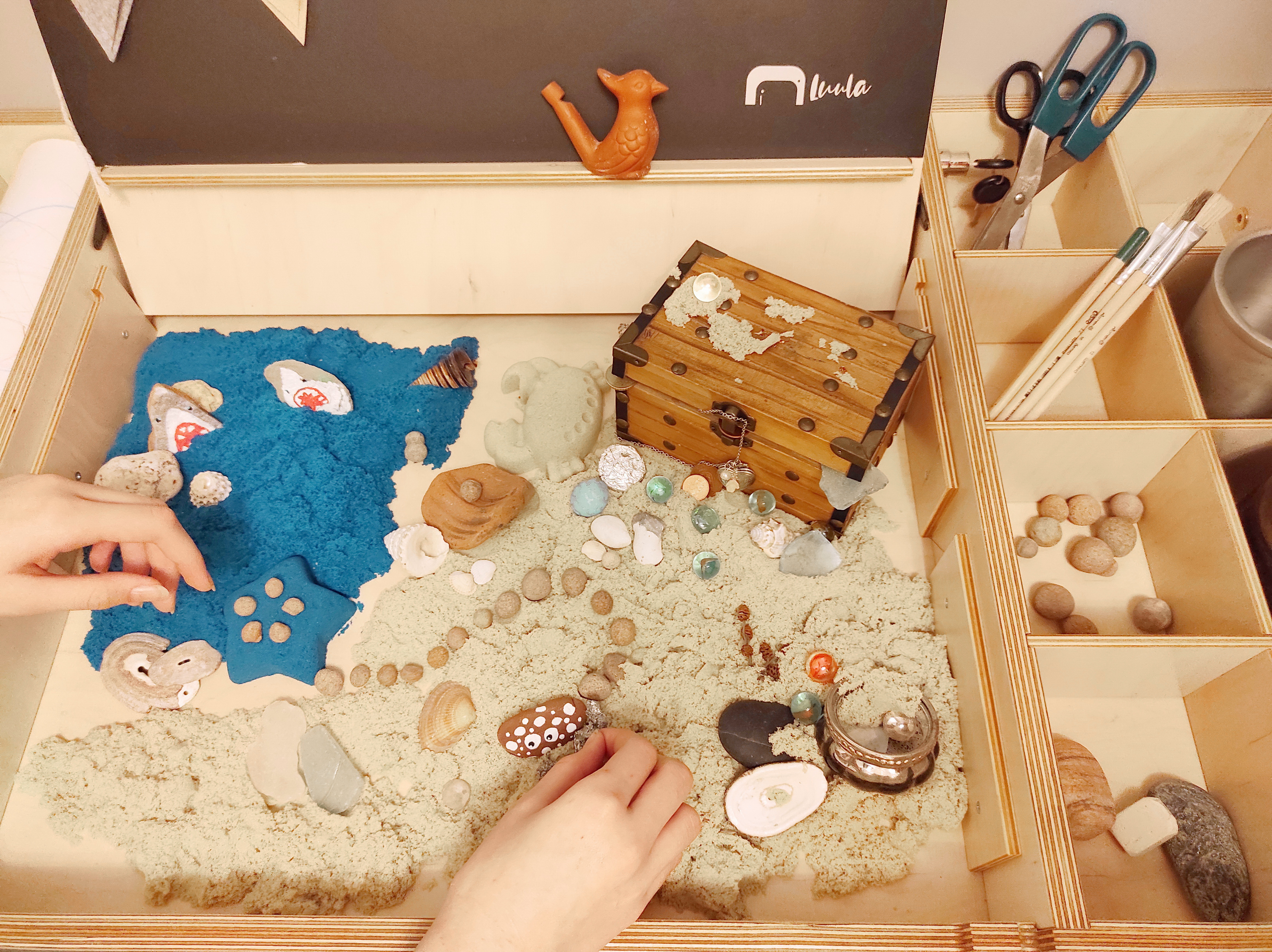
According to the National Association for the Education of Young Children (NAEYC), playing with sand allows children to experiment with concepts like volume, texture, and shape (Wikipedia). They can build structures, dig, and even create small imaginative worlds, which enhances their cognitive and social skills.
Tips for Sand Play:
- Provide various tools such as buckets, shovels, and molds. - Introduce natural elements like shells, rocks, and sticks. - Encourage children to describe what they are doing and the textures they feel.
Natural Objects and Multi-Sensory Learning
Incorporating natural objects into play helps children learn through multiple senses. This method, often referred to as “loose parts play,” involves using everyday objects like leaves, pinecones, and stones. These materials can be manipulated in various ways, promoting creativity and problem-solving skills.
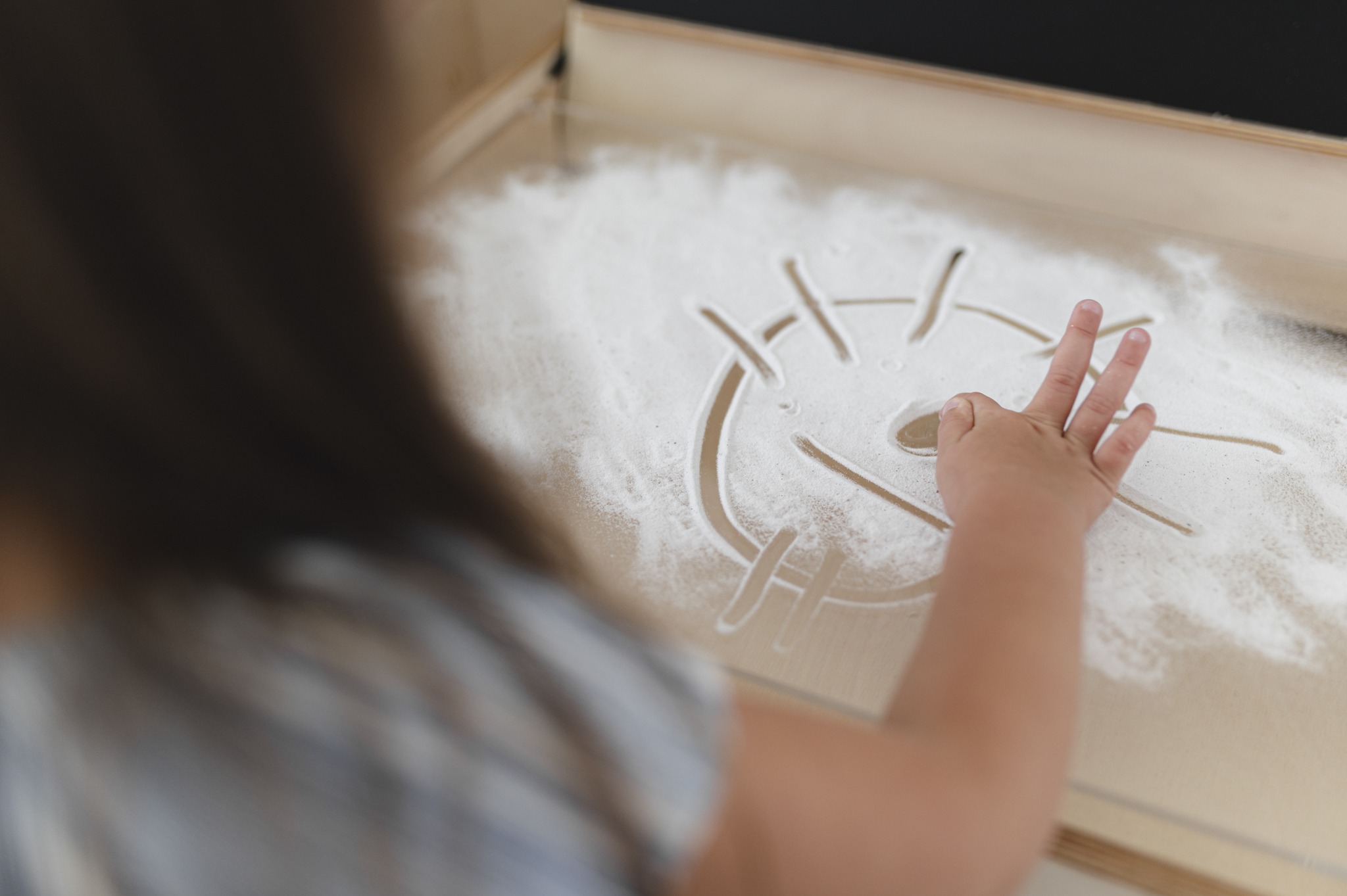
Benefits of Multi-Sensory Learning:
- Enhances tactile and visual exploration. - Encourages critical thinking and decision-making. - Supports fine motor development and coordination.
Educational experts suggest that children who engage with natural materials are more likely to develop a deeper understanding of the world around them (Wikipedia) .
Learning Through Play: The Joy of Games and Activities
Children learn best when they are having fun. Play-based learning integrates educational content into games and activities, making the process enjoyable and effective. Research from the Harvard Graduate School of Education highlights that play-based learning can improve language, math, and social skills .
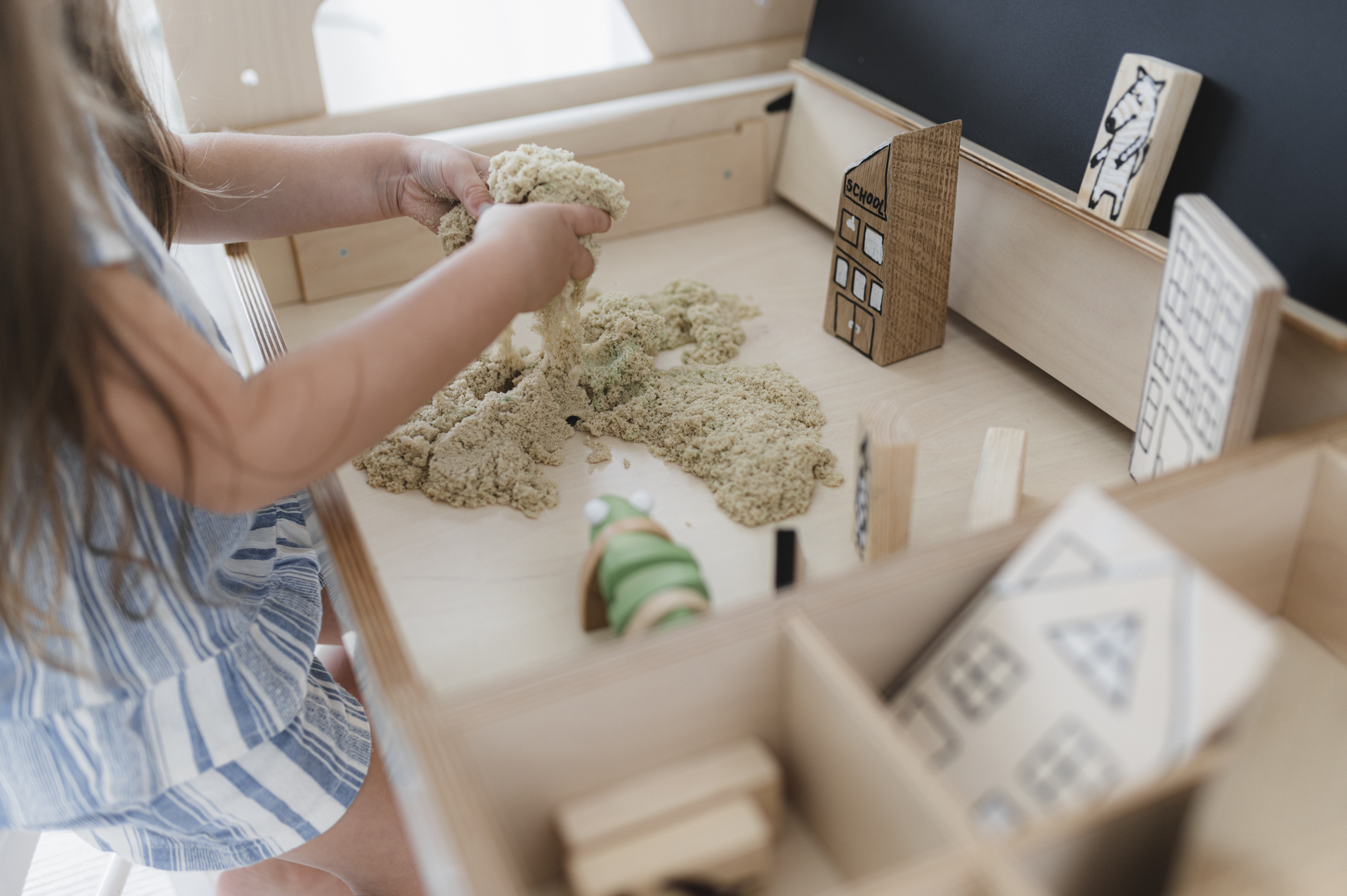
Examples of Play-Based Learning Activities:
- Role-Playing: Create scenarios where children can role-play different professions, enhancing their vocabulary and social skills.
- Educational Toys: Use puzzles, building blocks, and interactive games that promote logical thinking and problem-solving.
- Art and Craft: Engage in activities that allow children to express their creativity while learning about colors, shapes, and textures.
Storytelling: Social and Moral Lessons Through Stories
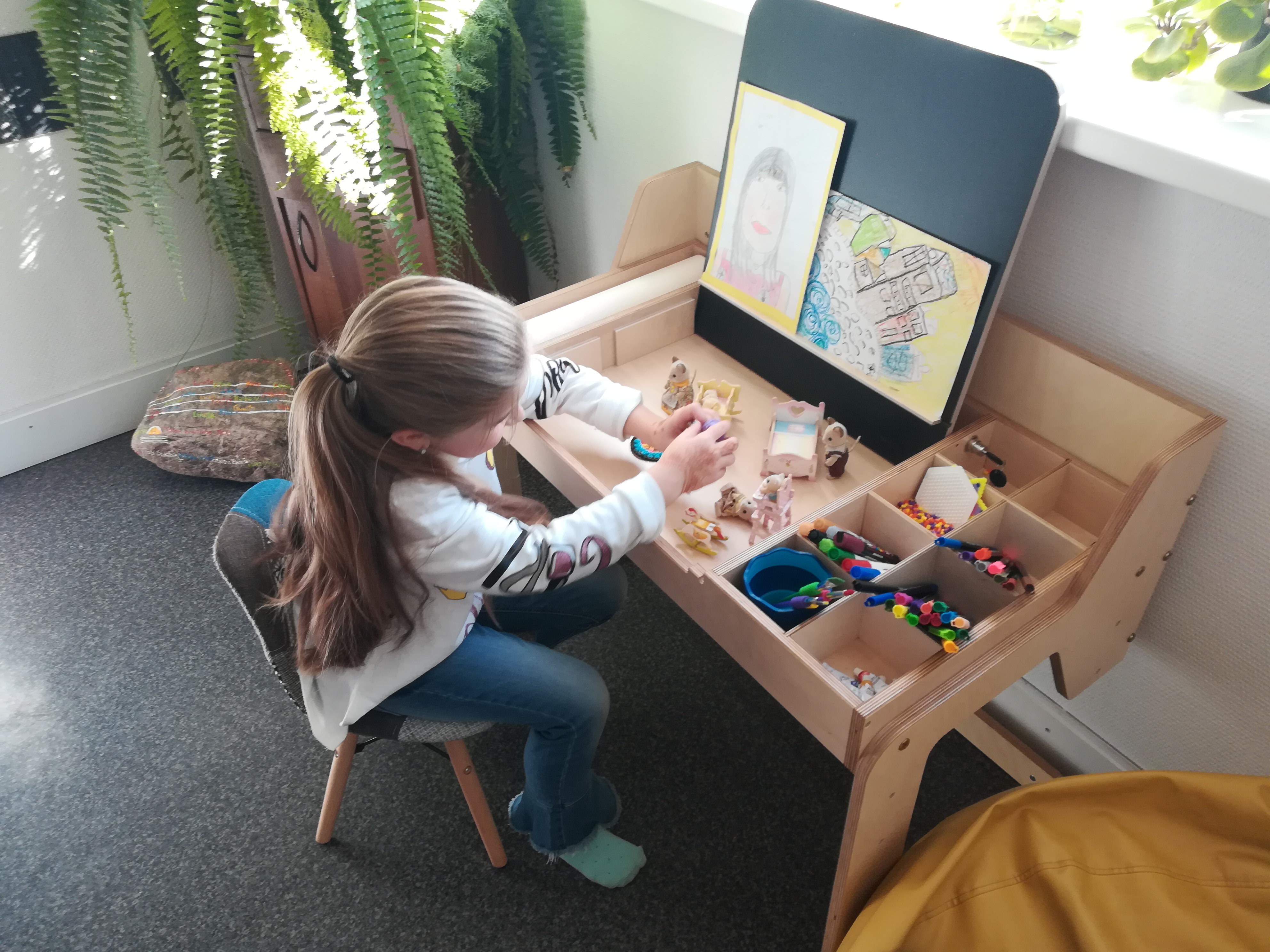
Storytelling is a powerful tool for teaching children social and moral lessons. Stories capture children’s imagination and help them understand complex concepts in a simple and relatable way. By incorporating characters and scenarios, children can learn about empathy, kindness, and other important values.
How to Incorporate Storytelling:
- Use picture books and interactive storytelling apps. - Create your own stories based on everyday experiences. - Encourage children to tell their own stories, boosting their narrative skills and creativity.
Early Skill Development: Age-Appropriate Learning
Children’s learning needs and capabilities vary with age. It’s essential to tailor activities that are appropriate for their developmental stage. Here are some key aspects to focus on for different age groups:
For Ages 0-3:
- Communication Skills: Engage in conversations, sing songs, and read aloud to develop language skills. - Motor Skills: Provide toys that encourage grasping, stacking, and coordination. - Social Skills: Arrange playdates and group activities to foster social interaction. - Emotional Understanding: Help children recognize and express their feelings through games and activities.
By creating a rich and stimulating learning environment, you can make education a delightful and rewarding experience for young children. Remember, the goal is to foster a love for learning that will last a lifetime.
References:
National Association for the Education of Young Children (NAEYC). “Sand Play: Learning Through Exploring.” NAEYC. Harvard Graduate School of Education. “The Benefits of Play-Based Learning.” Harvard.