
Little tips · 27 November 2026
What on earth has happened to my four-year-old?
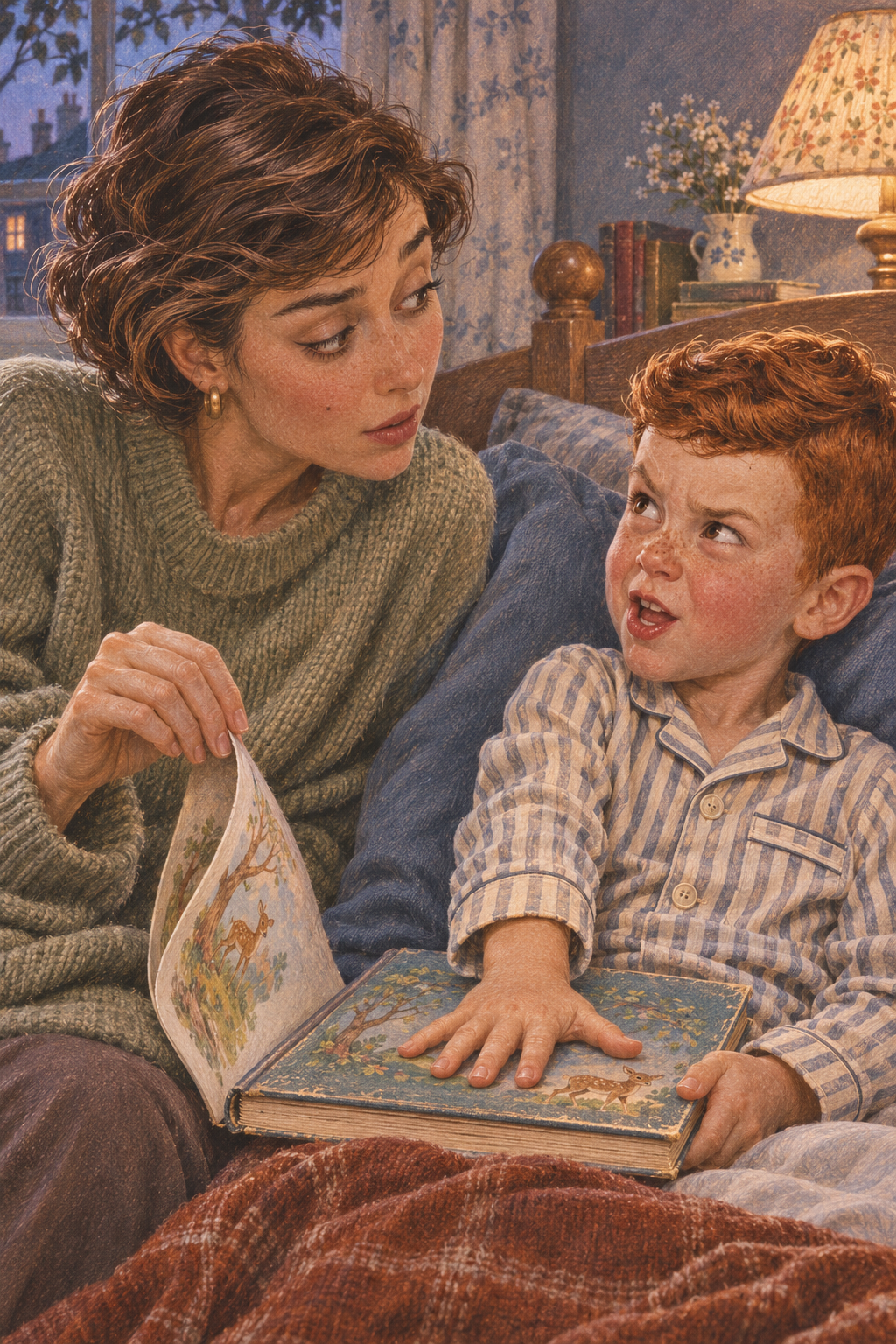
Two weeks ago, we could curl up and read a bedtime story. Now I’m two sentences in and he shouts, “THE END!” Dinner? “No.” I call him back and he keeps walking. By bedtime, I miss him. We’ve spent the whole evening together and it feels like all I’ve done is tell him off.
The next time you hear “no”, try asking yourself one question. Does he get a say in this one?
- The bedtime book? Yes. “We’ve got time for one story. You pick.” If he shuts it halfway through and says “The end!”, you can close it too. “The end it is. Come here for a cuddle.”
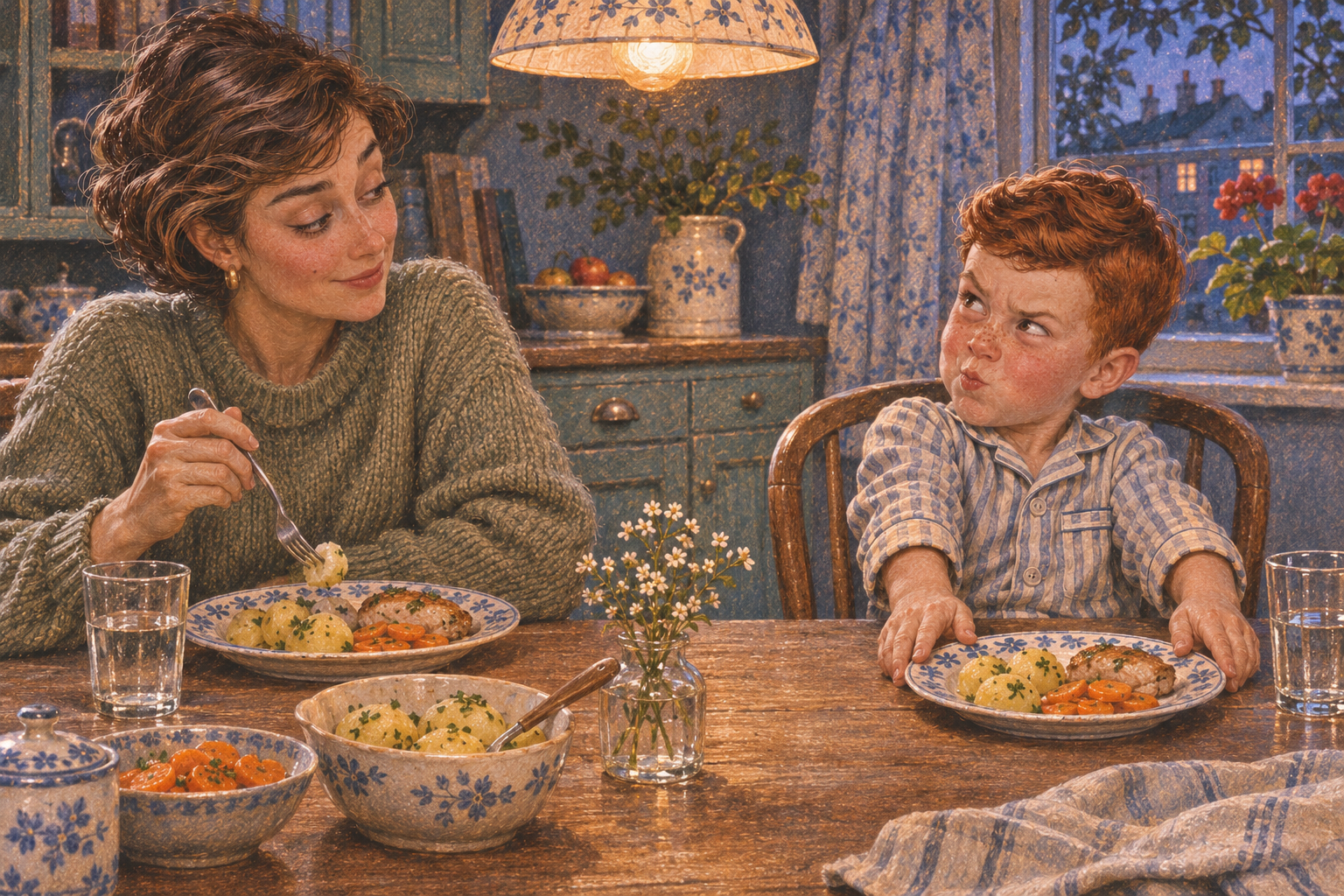
- Dinner? Partly. You choose what goes on the table. He gets to decide how much goes in his tummy. When he announces, “I’m not eating that!”, a simple “Okay” will do. You can carry on talking about the enormous dog you saw on the way home.
- Crossing the road? You decide. Take his hand before you reach the kerb. “We’re holding hands across the road.” He can be cross about it and you can get him safely to the other side.
Try it tonight. Leave the book on the shelf and say, “You pick the story. I’ll get the pillows ready.”
_____________
If I let him say “no”, what am I teaching him?
A fortnight ago, bedtime was the nicest part of the day. Now even opening a book starts an argument. It’s easy to wonder whether you’ve been too soft. One idea from Reggio Emilia helps here. Children often show you what matters to them before they can put it into words. That loud “THE END!” might be his way of saying “I wanted to pick.” Watching when it happens gives you a better chance of understanding him. More: reggiochildren.com
The reason to let him choose where he can is that some decisions genuinely belong to him. Only he can feel how hungry he is. That’s the thinking behind Ellyn Satter’s approach to meals. You provide dinner, and he decides how much to eat. Once you trust him with
his part, you can both talk about something else. More: stacks.cdc.gov
And when the decision is yours? He can dislike it and you can still follow through. The American Academy of Pediatrics suggests letting small, harmless protests pass while continuing to give children warm attention. That matters on the evenings when you feel you’ve spent the whole day telling him off. You can be firm about holding hands at the kerb and still be the person he comes to for a cuddle.More: healthychildren.org